Early History
The foundations of Keyport, from farmland to waterfront community
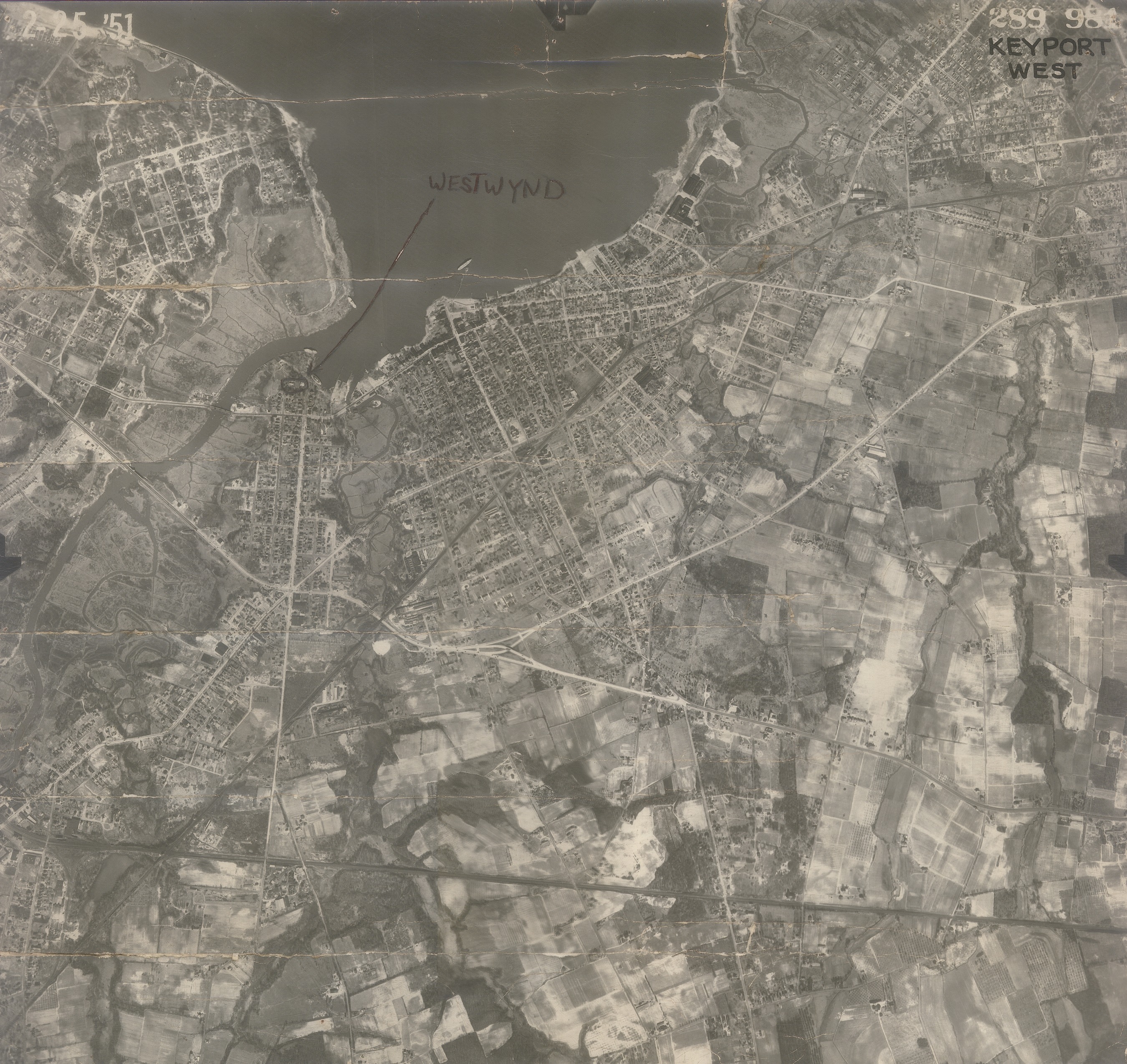
Keyport’s story begins in 1714, when the Kearney family established an expansive 800-acre plantation known as Key Grove Farms. At the time, the area was part of Middletown, one of New Jersey’s oldest municipalities. The early settlement supported itself through farming, timber production, shipping, and oystering—activities that would shape the community’s character for generations.
A pivotal transition occurred in 1829, when the Kearney Estate was subdivided and auctioned, setting the stage for the development of a distinct waterfront community.
By 1830, Keyport was formally established as its own borough and had already emerged as an important regional shipping point, serving as a hub for county produce and goods transported to the growing markets of New York City.
Keyport’s maritime prominence expanded in 1850 with the establishment of a boatyard by Benjamin Terry. The yard specialized in the construction of steamboats, including vessels used during the Civil War. Among the most notable was The River Queen, remembered for carrying President Abraham Lincoln and General Ulysses S. Grant. Shipping and oystering remained central to Keyport’s economy into the early 20th century.
A new industrial chapter began in 1914 with the arrival of the Aeromarine Plane & Motor Company, which acquired facilities in Keyport’s Lockport district. Aeromarine produced training aircraft for World War I pilots and innovative seaplanes known as flying boats. Operating in Keyport until 1930, the company achieved numerous aviation “firsts” and left a lasting mark on the borough’s history.