Keyport’s Story
Three Centuries of Growth, Innovation, and Resilience
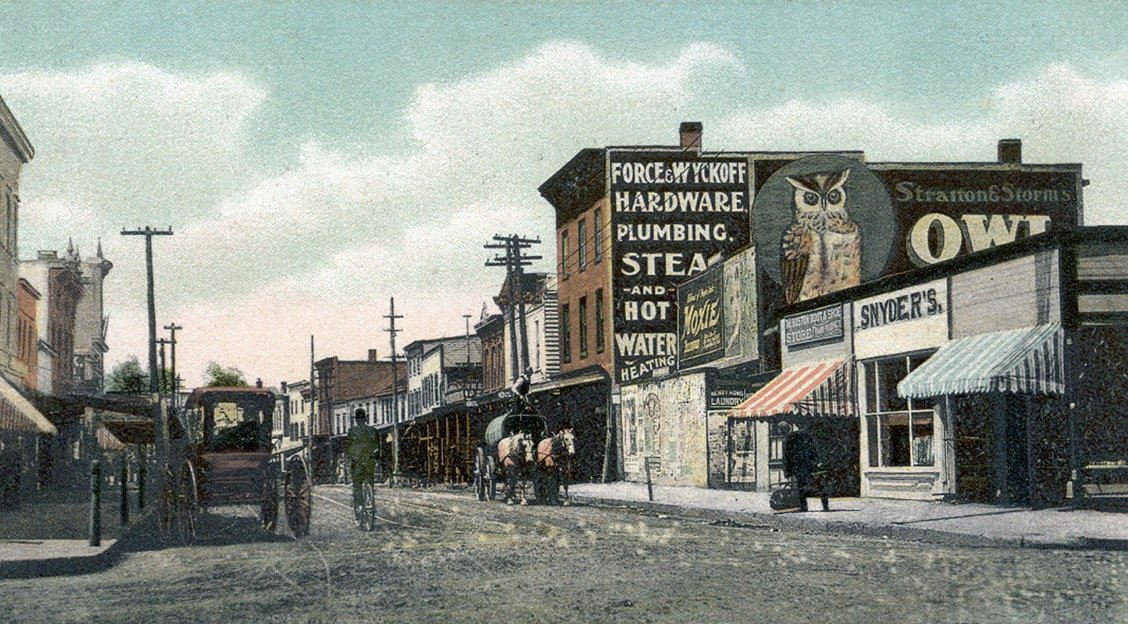
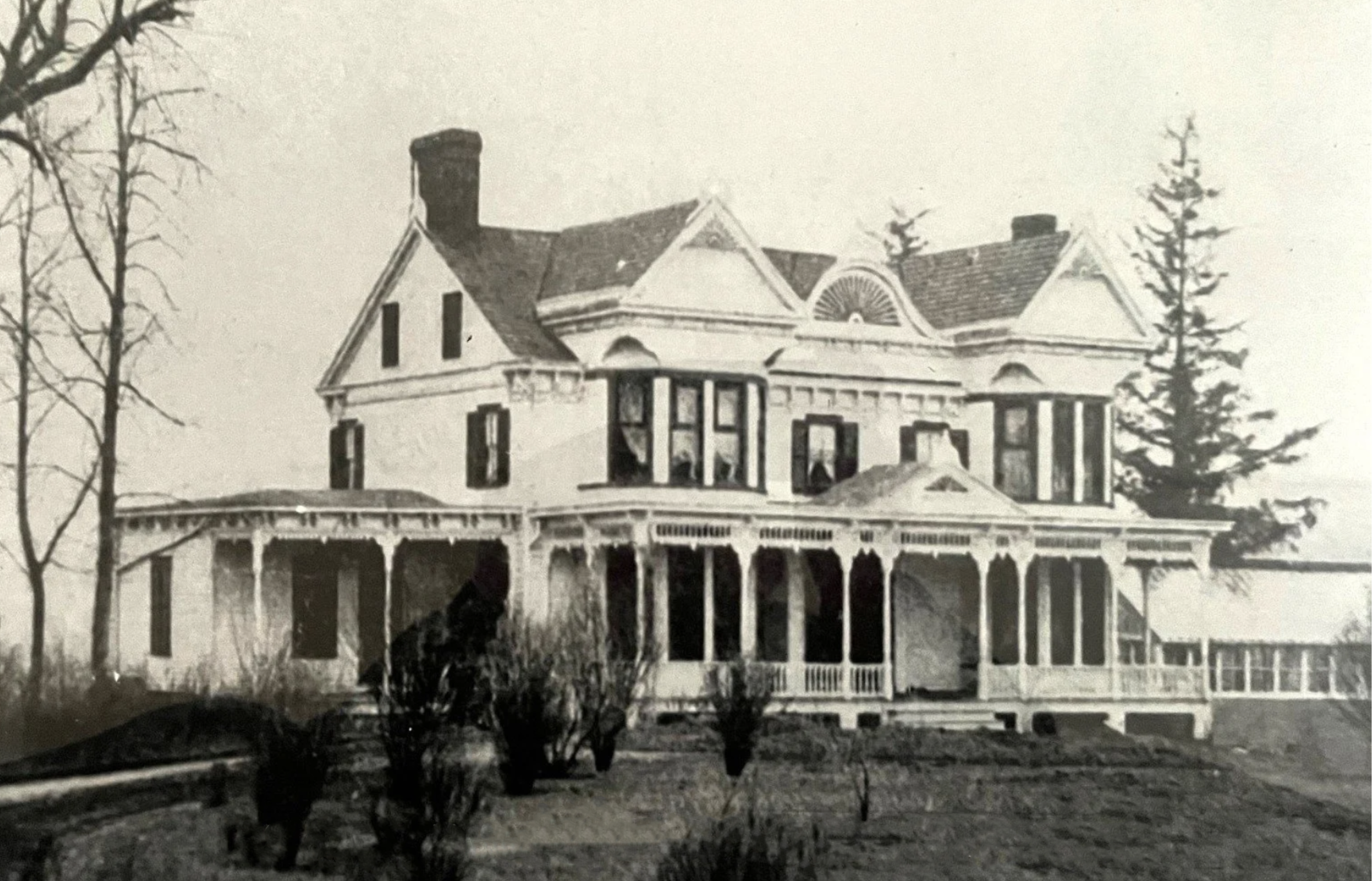
Keyport's story spans more than three centuries, beginning long before the borough itself was established. The area was first home to the Lenape people and later became part of the colonial land grants that shaped early New Jersey. In 1714, the Kearney family established the expansive Key Grove Farm plantation on lands overlooking Raritan Bay. For generations, the region's economy was built on farming, timber harvesting, shipping, and oystering, with its protected harbor providing access to markets throughout the region.
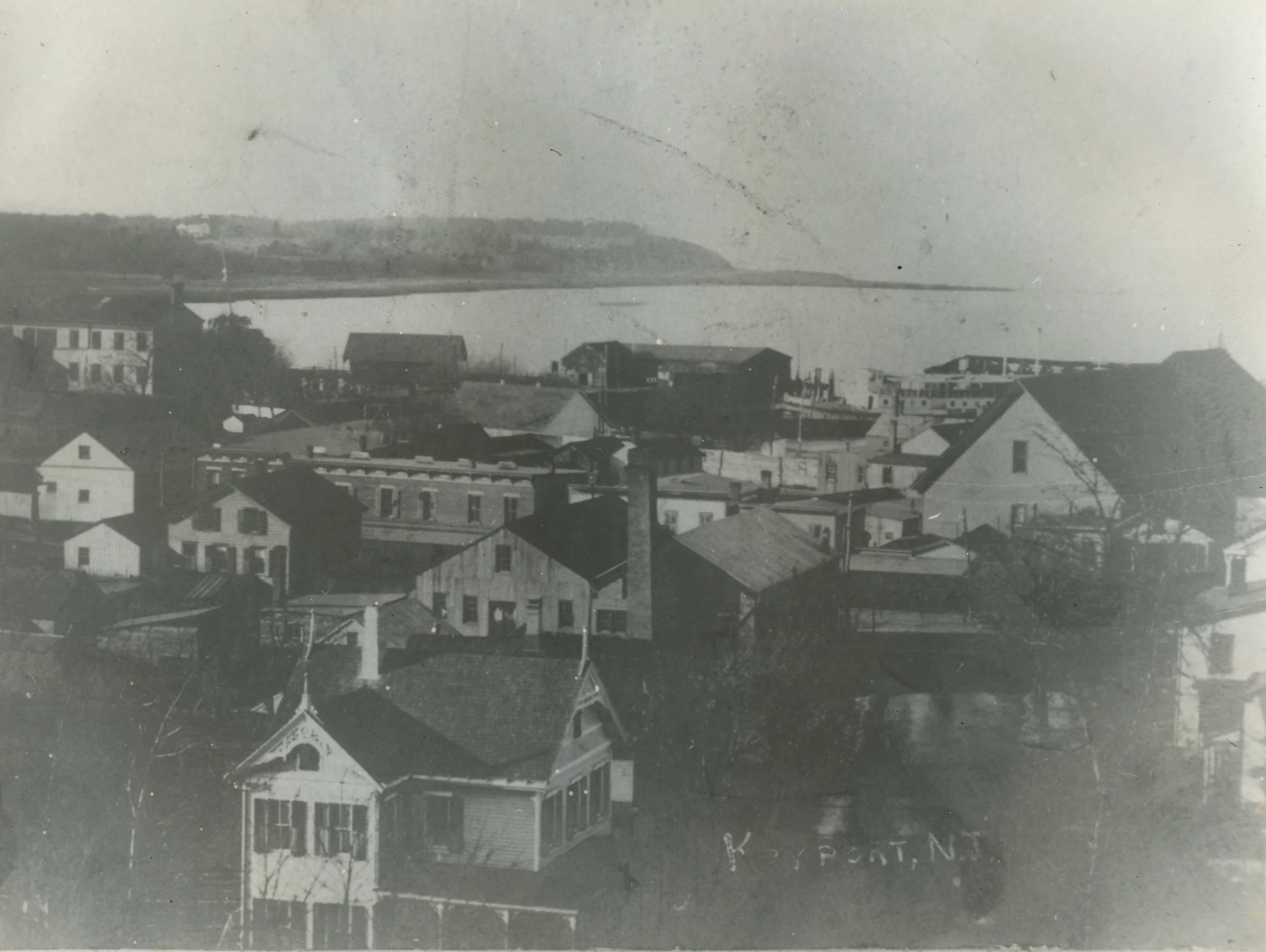
The subdivision of the Kearney estate in 1829 paved the way for the creation of a new waterfront community. Throughout the nineteenth century, Keyport grew into an important port town, known for its shipbuilding, maritime commerce, and thriving oyster industry. The arrival of the railroad connected the borough to larger transportation networks, while innovative industries such as Aeromarine placed Keyport at the forefront of early aviation in the twentieth century.
Like many historic waterfront communities, Keyport has experienced both periods of prosperity and significant challenges. The devastation caused by Superstorm Sandy in 2012 tested the borough's resilience, but it also inspired a remarkable recovery and renewed investment in the community. Today, Keyport continues to honor its rich maritime heritage while embracing revitalization, preserving its historic character, and welcoming new generations to its waterfront, downtown, and vibrant community life.
1664
Lenape Homeland and Colonial Settlement
Long before Keyport existed, the area along Raritan Bay was home to the Lenape people. Following English control of New Jersey in 1664, colonial land grants laid the groundwork for future settlement and development.
1714
Key Grove Farm Established
Before Keyport existed, the area was inhabited by the Lenape people. Following English control of New Jersey in 1664, large tracts of land along Raritan Bay were granted to European settlers, laying the foundation for future development.
1829
Kearney Estate Subdivided and Sold at Auction
A pivotal transition occurred in 1829, when the Kearney Estate was subdivided and auctioned, setting the stage for the development of a distinct waterfront community.
1830
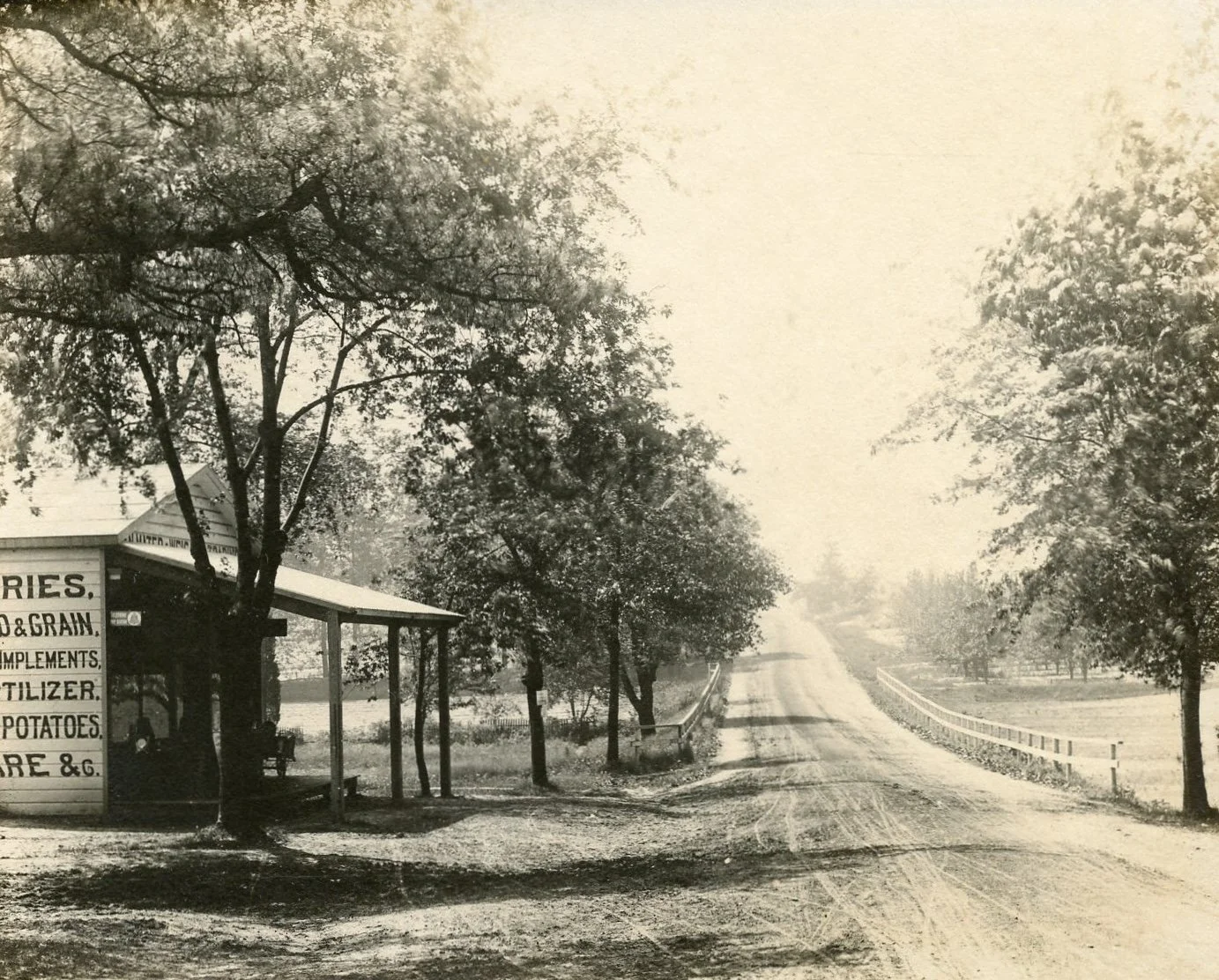
A Growing Port Community
The area emerged as an important shipping center, connecting Monmouth County farmers and merchants with the markets of New York City.
1850
Benjamin Terry’s Shipyard
Keyport’s maritime prominence expanded in 1850 with the establishment of a boatyard by Benjamin Terry. The yard specialized in the construction of steamboats, including vessels used during the Civil War.
1870
Keyport Incorporated as a Town
After decades of growth, Keyport was formed as a town on March 17, 1870, from portions of Raritan Township (now Hazlet).
1877
The Great Fire
A devastating fire swept through much of Keyport's business district, prompting rebuilding efforts that helped shape the downtown for generations to come.
1879
The Railroad Arrives
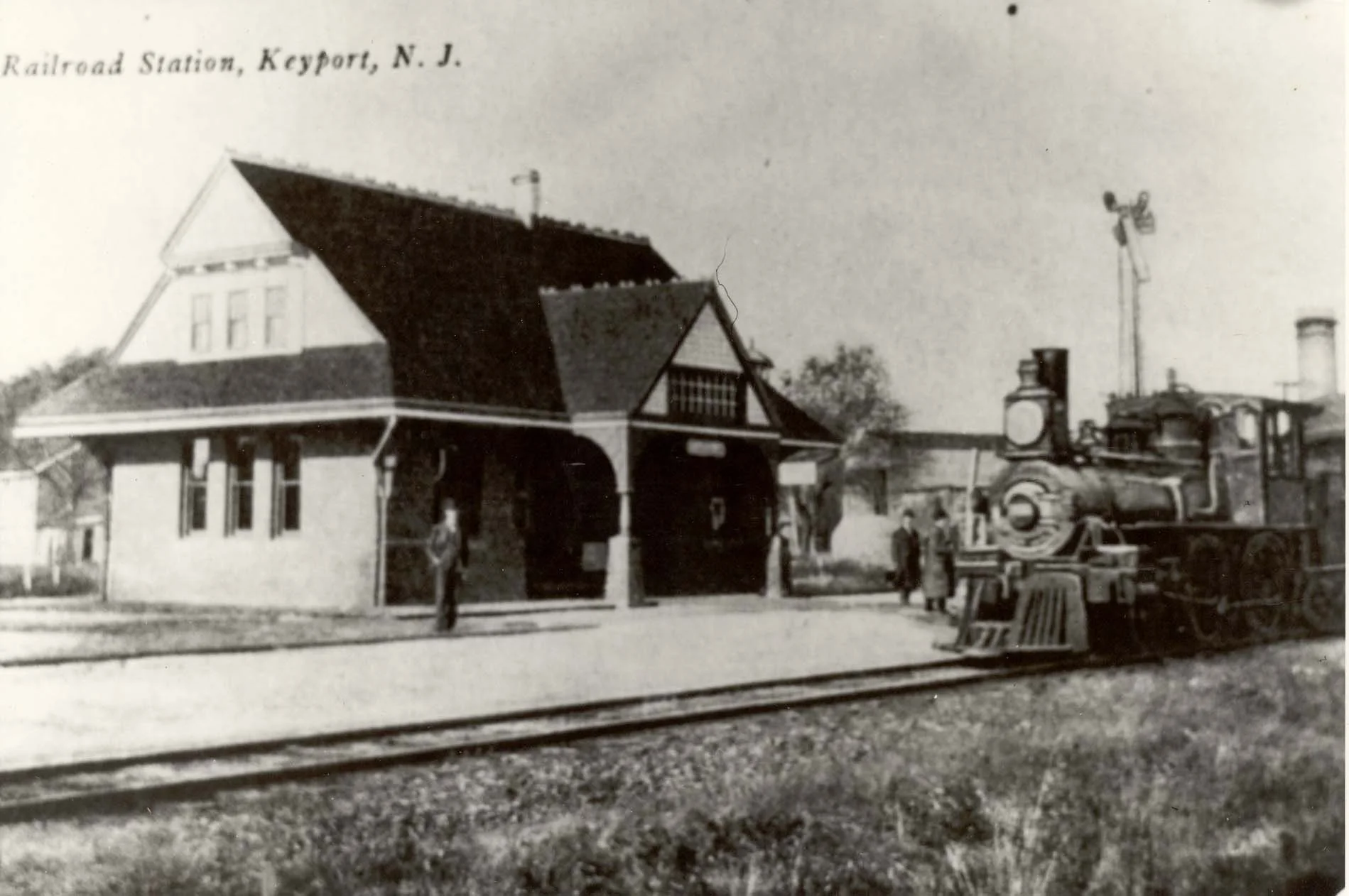
The Central Railroad of New Jersey connected Keyport to regional transportation networks, supporting commerce and travel.
1908
Borough of Keyport Established
Keyport transitioned from a town to a borough, reflecting its continued growth and evolving governance.
1916
Aeromarine Comes to Keyport
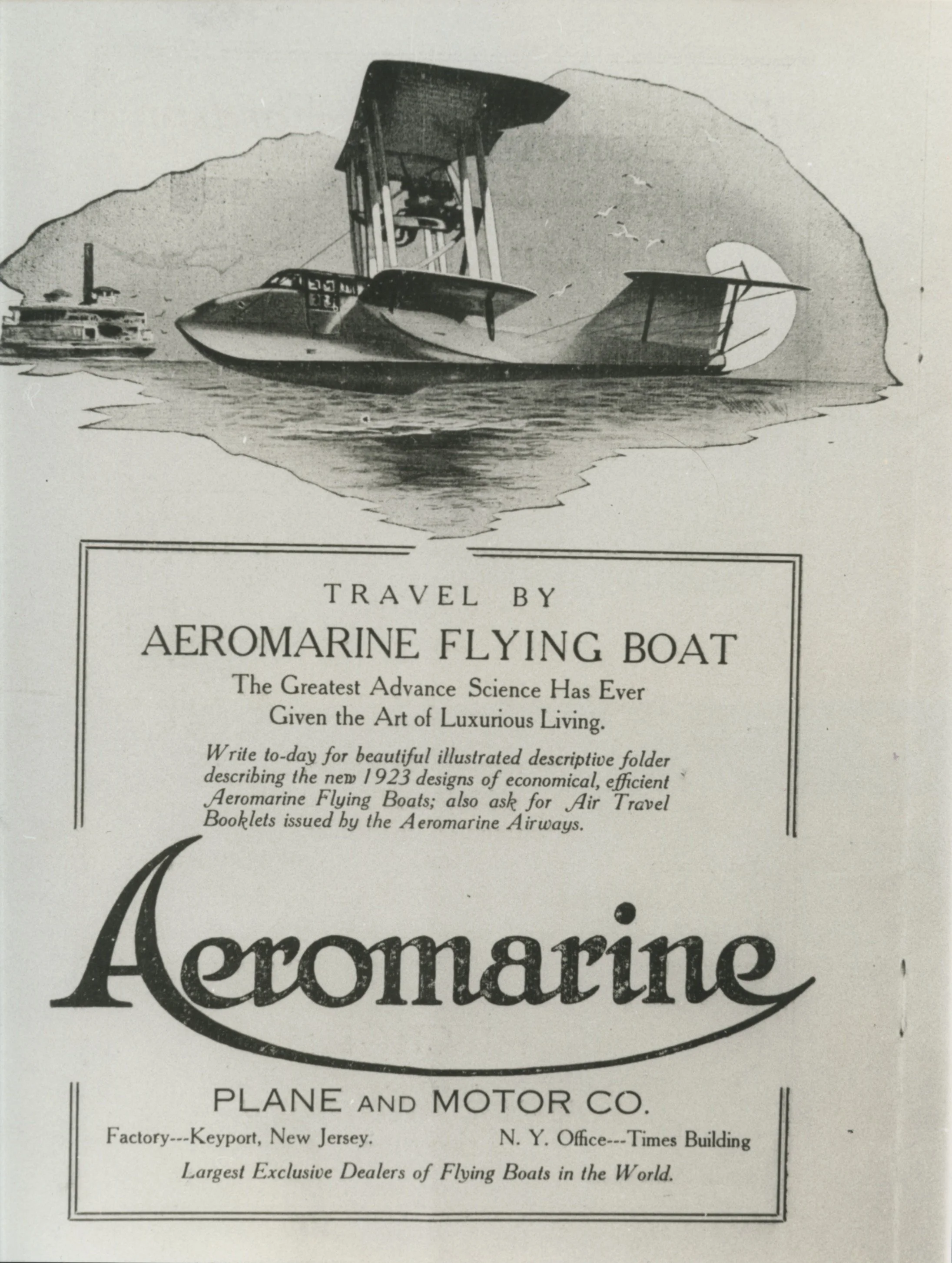
A new industrial chapter began in 1916 with the arrival of the Aeromarine Plane & Motor Company, which acquired facilities in Keyport’s Lockport district. Aeromarine produced training aircraft for World War I pilots and innovative seaplanes known as flying boats. Operating in Keyport until 1930, the company achieved numerous aviation “firsts” and left a lasting mark on the borough’s history.
1944
The Great Atlantic Hurricane
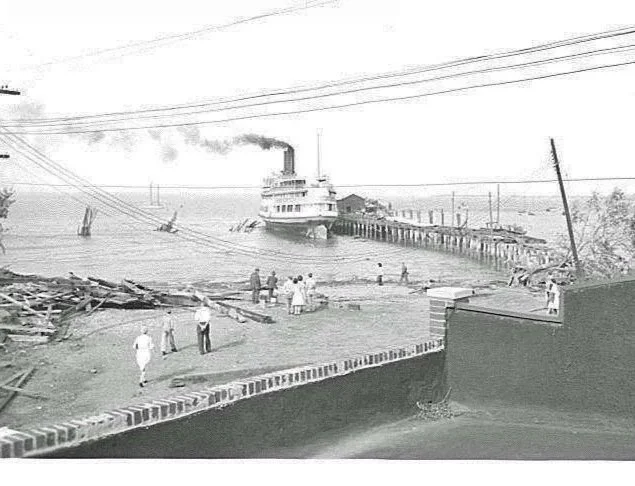
One of the most destructive storms to strike the New Jersey coast damaged Keyport's waterfront and steamboat dock facilities. The hurricane also grounded several retired steamships that had been laid up along the waterfront after the end of passenger and freight service.
1950
Coastal Storms Destroys Docks
A powerful coastal storm further damaged Keyport's aging waterfront structures and several abandoned steamships that remained along the shoreline. Most were subsequently scrapped, although the City of Keansburg survived and continued to serve as a familiar landmark for years afterward.
1966
End of Passenger Rail Service
Passenger service to Keyport ended when the Central Railroad of New Jersey discontinued operations to the borough. For more than eighty years, the railroad had connected Keyport residents and businesses to Newark, Jersey City, and New York, playing a vital role in the town's growth.
1968
Loss of Keyport Station
Just two years after rail service for passengers ended, the historic Keyport train station was destroyed by fire. This marked the end of an important chapter in the borough's transportation history closing the door for potential restoration of service.
1972
Keyport Historical Society Founded
The Keyport Historical Society was established to preserve and share the borough's rich heritage, safeguarding artifacts, photographs, documents, and stories for future generations.
1980s
Vision for Waterfront Renewal
Plans initiated to transform Keyport's aging waterfront into a destination that would celebrate the borough's maritime heritage while supporting economic development and public recreation.
2012
Superstorm Sandy
On October 29, 2012, Superstorm Sandy brought severe flooding and storm damage to Keyport's waterfront, businesses, homes, and infrastructure. The storm became one of the most significant challenges in the borough's modern history and tested the community's resilience.
2010
Waterfront Revitalization Completed
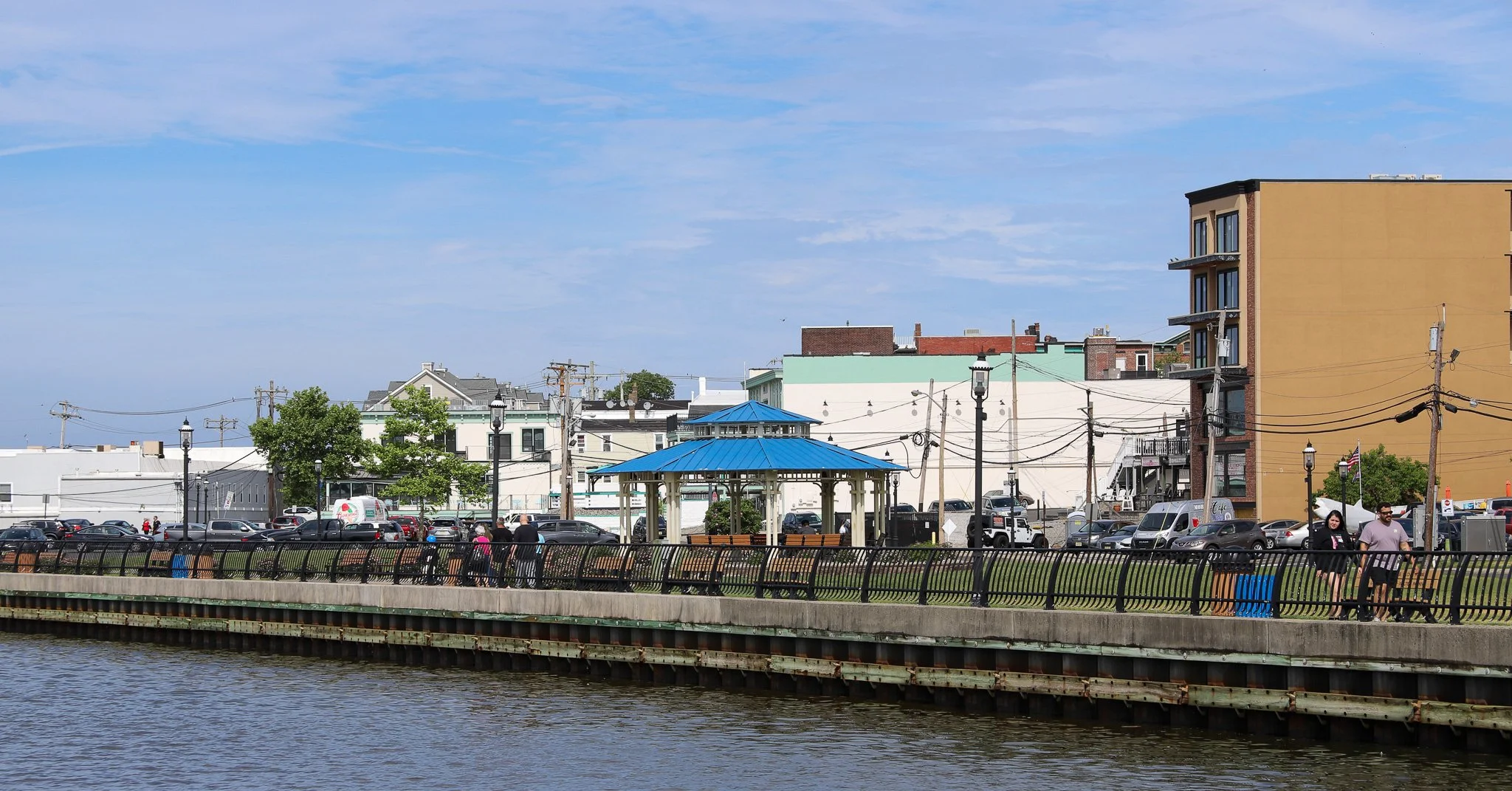
After nearly thirty years of planning and multiple phases of construction, Keyport celebrated the completion of its Waterfront Revitalization Project. The project created the four-acre Waterfront Park and Promenade, improved public access to Raritan Bay with panoramic views extending across the bay to the Lower Manhattan skyline, rehabilitated the fishing pier, and established one of the borough's most recognizable public spaces.
Present Day
Revitalization and Renewal
Building on decades of waterfront investment and recovery efforts following Sandy, Keyport continues to strengthen its downtown, preserve its historic character, expand recreational opportunities, and welcome residents and visitors to its waterfront community. The borough's ongoing revitalization reflects a commitment to honoring its past while embracing its future.
Today – Keyport's Story Continues
From the Lenape people and early settlers to shipbuilders, oystermen, entrepreneurs, and community leaders, countless individuals have shaped the history of Keyport. Their legacy can still be seen in the borough's streets, waterfront, architecture, and traditions. As Keyport continues to evolve, its story remains unfinished—written each day by the people who live, work, and gather here along the shores of Raritan Bay.