Keyport Self-Guided Historical Parks Tour
Stop 6 of 12
Benjamin Terry Park
Now
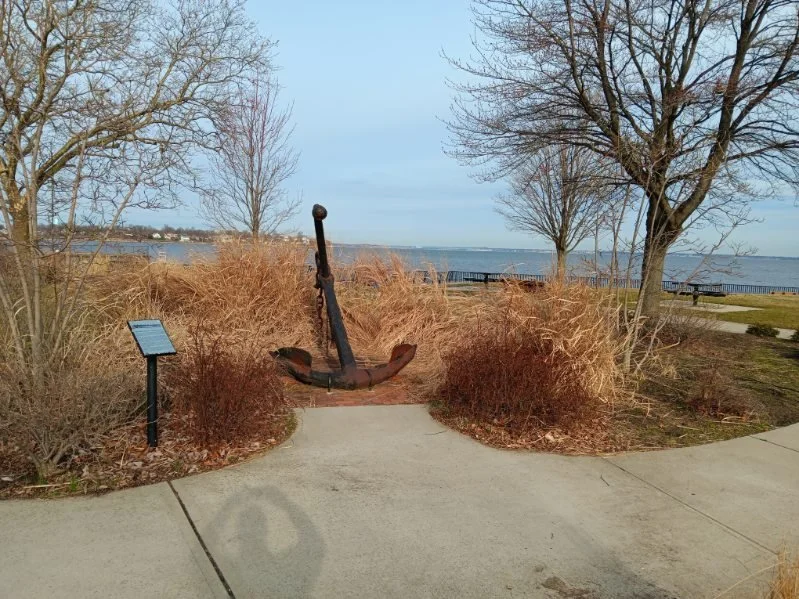
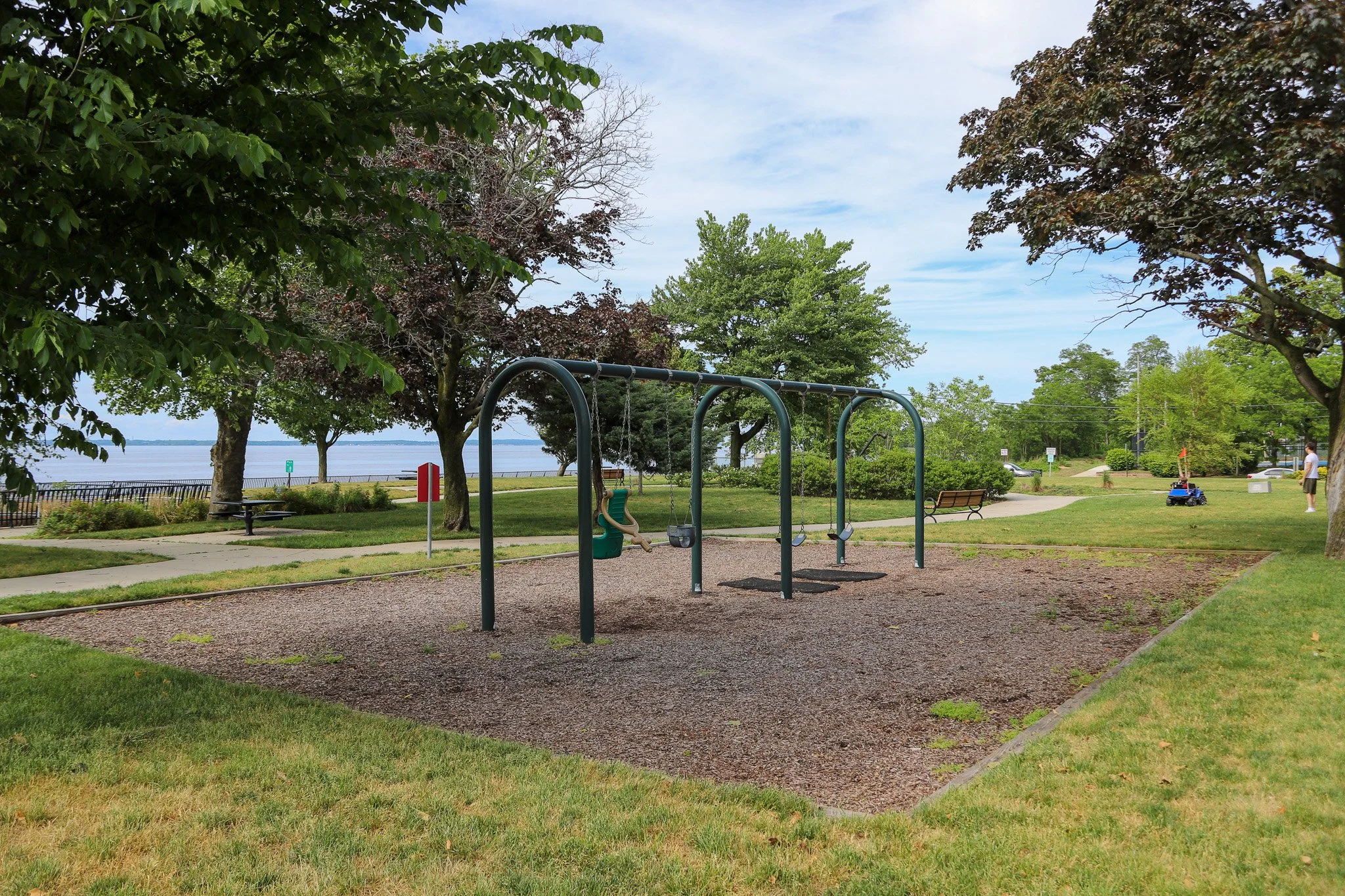
Stretching along the same bayfront as neighboring Veterans Park, Benjamin Terry Park offers space for both relaxation and recreation. Shaded seating, picnic tables, and gently winding walkways invite visitors to linger, while a long, fenced overlook platform extends toward the water—providing a place to walk, sit, and take in sweeping views of the Raritan Bay.
From here, you can see the Verrazzano-Narrows Bridge and, on a clear day, the distant skyline of New York City.
Then
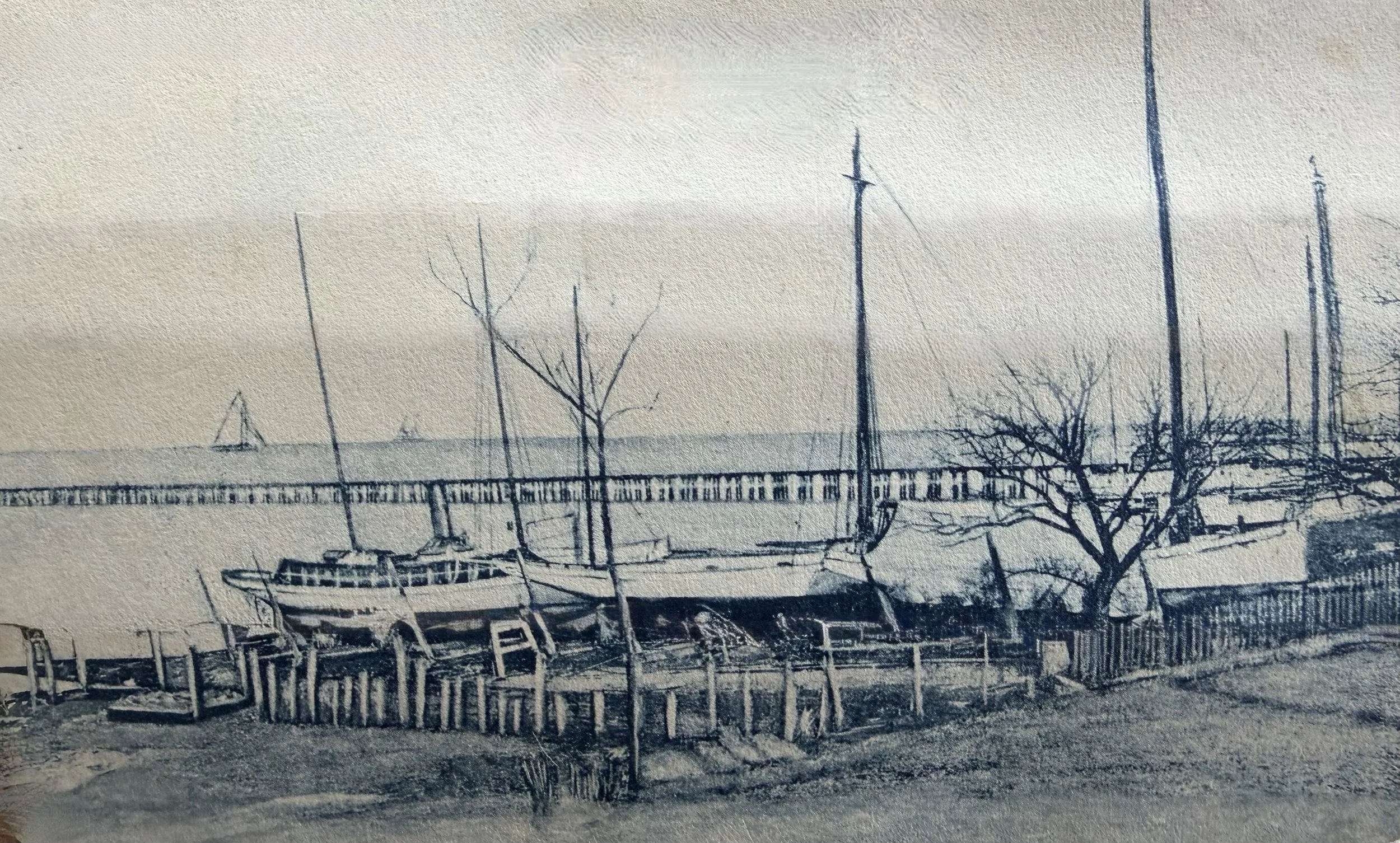
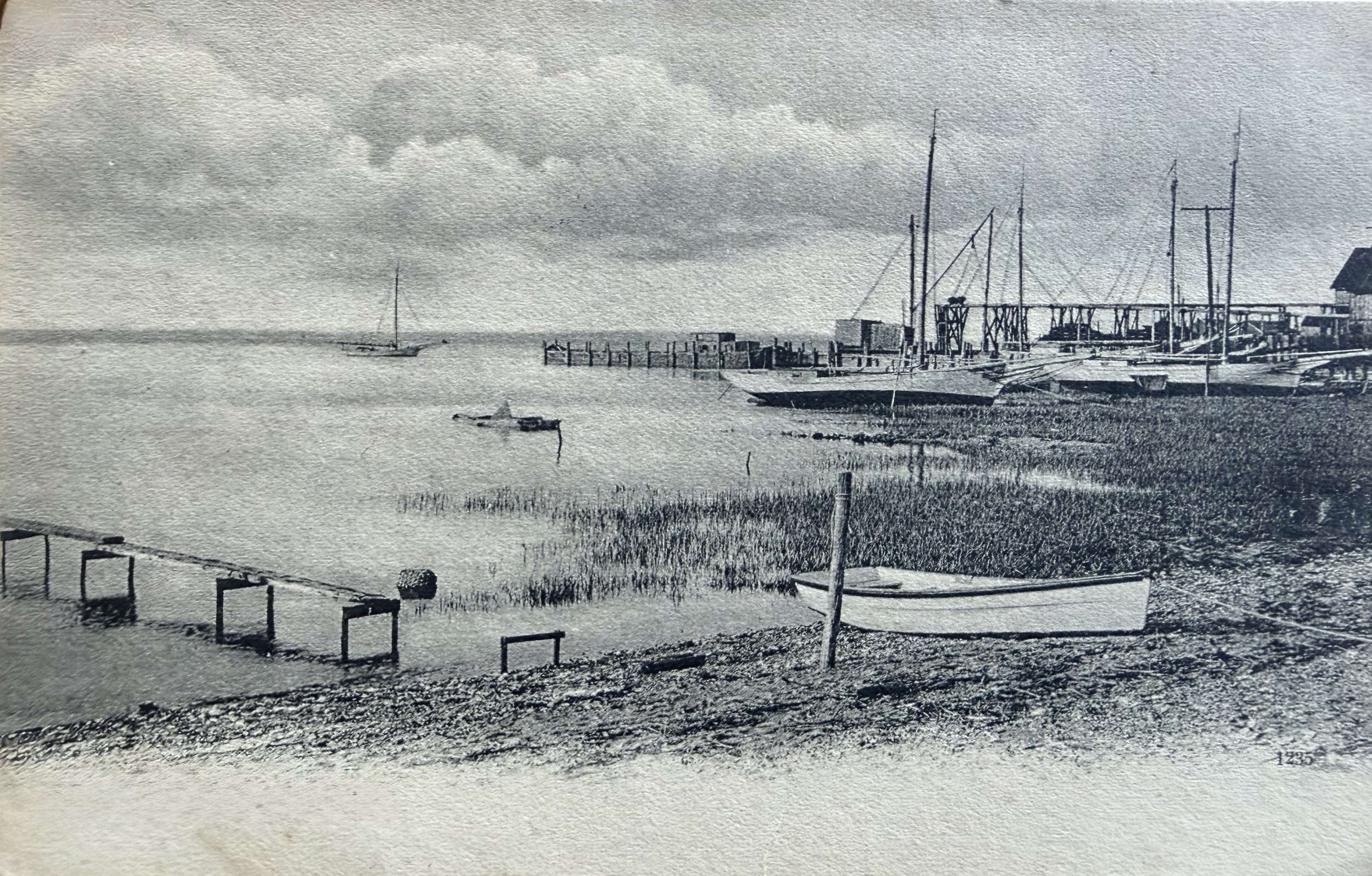
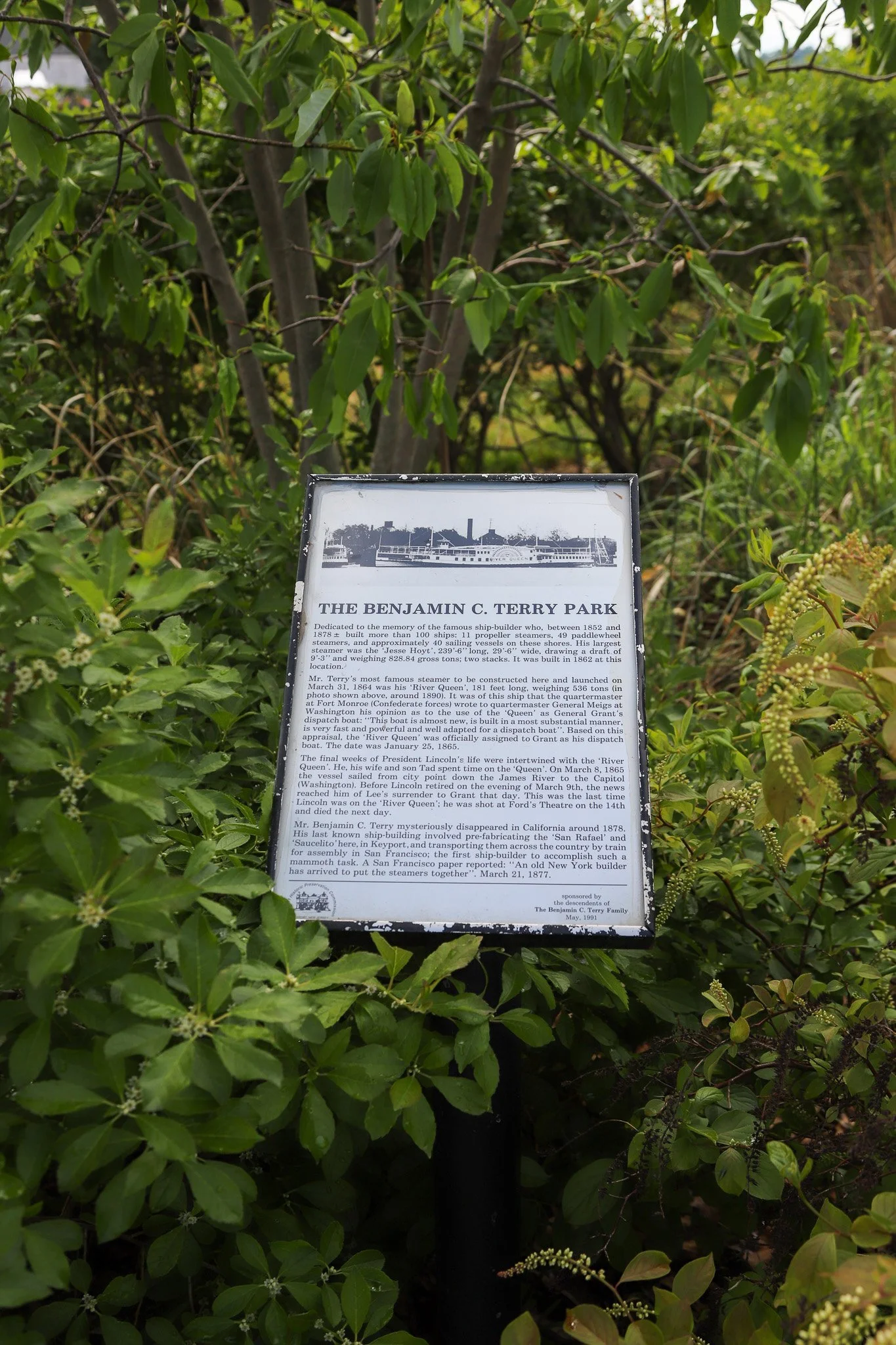
The park is named for Benjamin Terry, a significant figure in Keyport’s 19th-century shipbuilding industry. His boatyard once lined this waterfront—stretching from here to what is now Veterans Park—where steamboats were constructed in the mid-1800s. Among them was the River Queen, later used by President Abraham Lincoln and General Ulysses S. Grant during the Civil War. Remarkably, at least two vessels built in Terry’s yard would find themselves on opposing sides of that conflict.
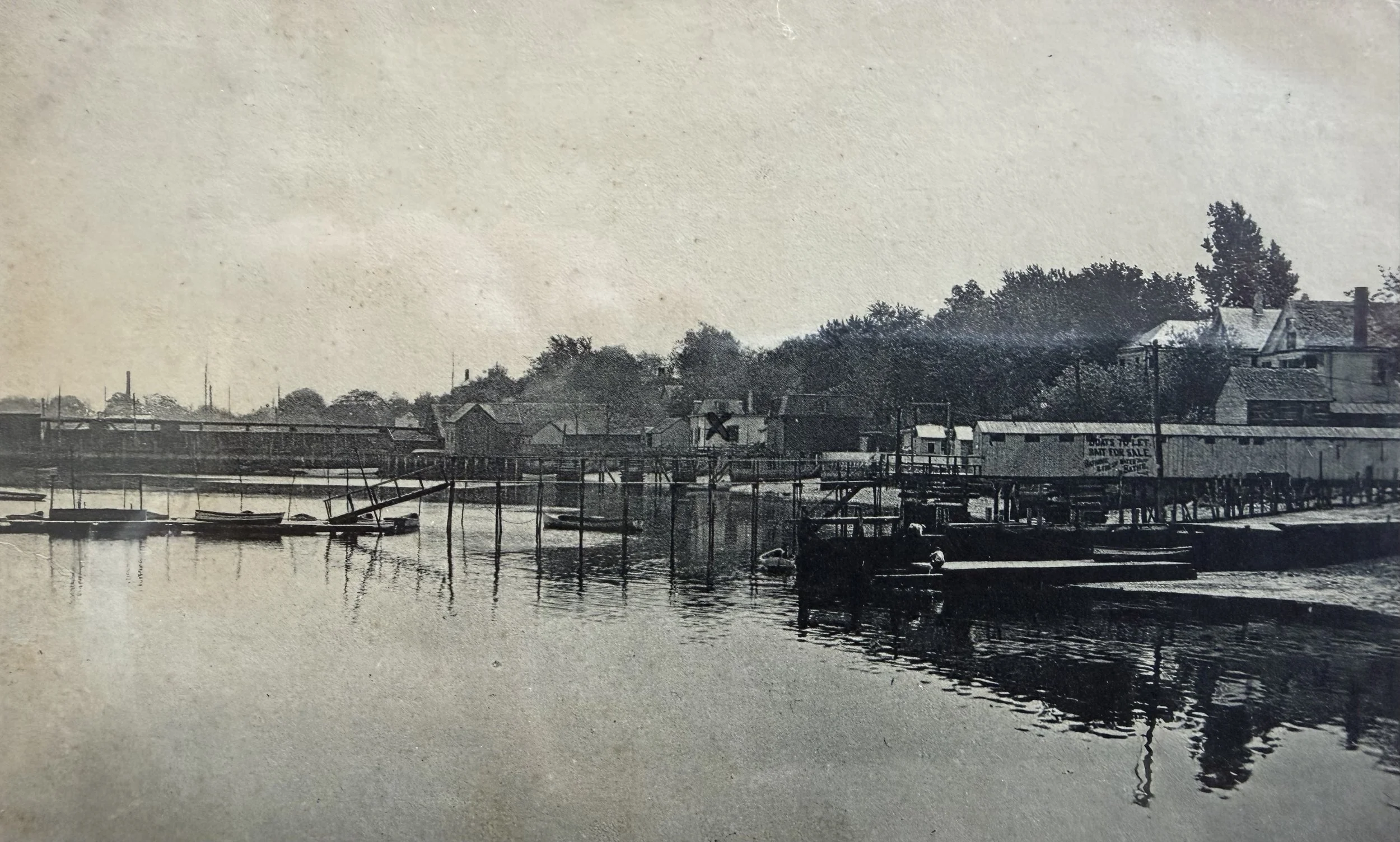
As shipbuilding gave way to transportation and industry, the shoreline took on a new role. In 1880, the Freehold and New York Railroad constructed a massive pier—nearly 2,000 feet long—extending into the bay to reach deeper water for its steamboat operations. Though its commercial use was relatively short-lived, the pier became a cherished recreational destination. Residents fished, crabbed, and swam here, turning an industrial structure into a place of everyday enjoyment.
Over time, the pier was partially cut to allow boat passage and eventually dismantled. At low tide, you may still catch glimpses of the old pilings—quiet traces of a once-busy waterfront.
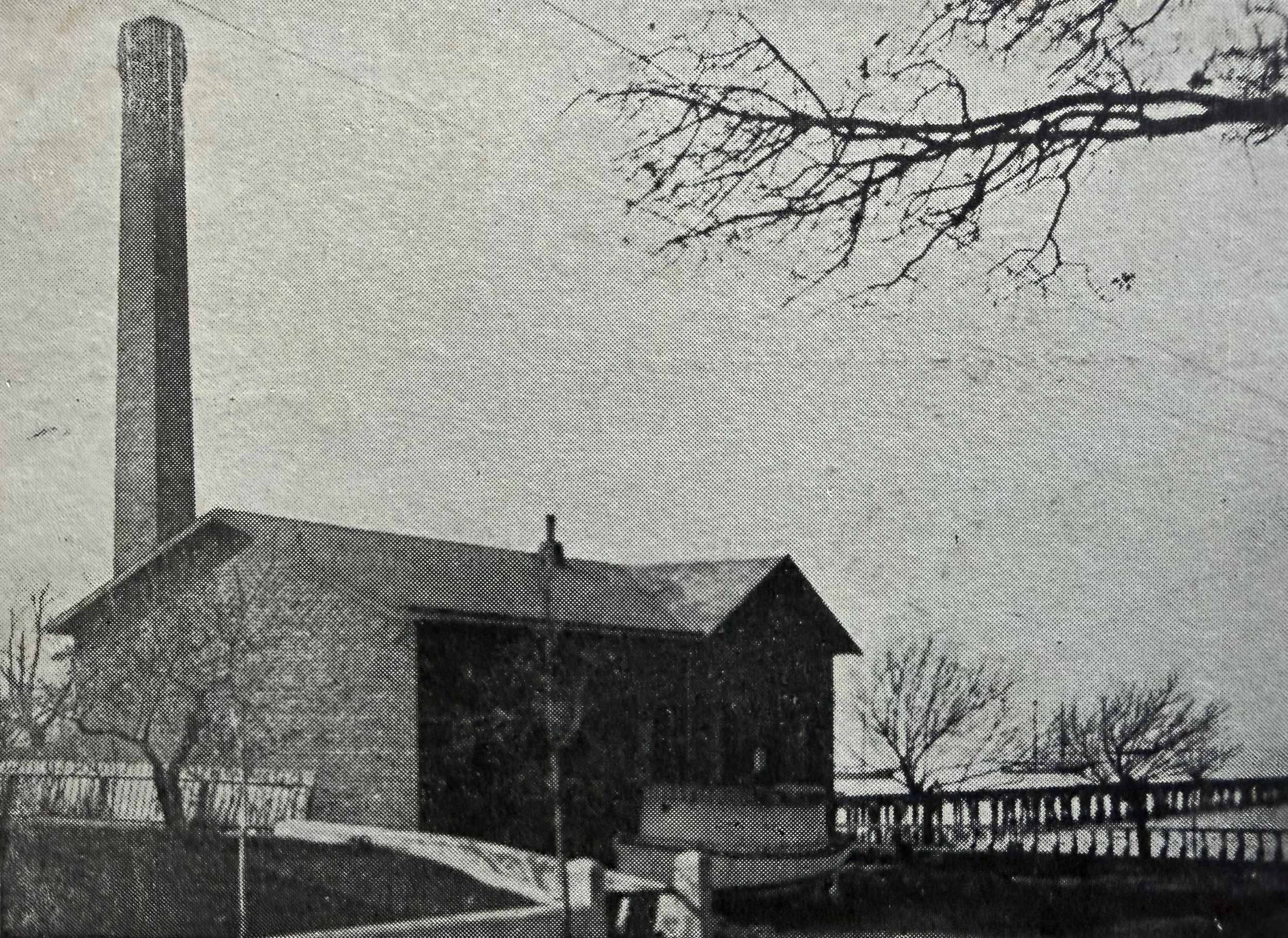
Later, this site became home to Keyport’s Town Water Works—a substantial brick pumping and purification plant drawing from an underground aquifer. For decades, it supplied the Borough’s drinking water and served as a vital piece of municipal infrastructure. Schoolchildren even toured the facility as part of their education.
Standing here today, the open bay and peaceful shoreline conceal a layered history of shipbuilding, transportation, industry, and recreation that helped shape Keyport’s identity